All Posts
Browse all blog posts
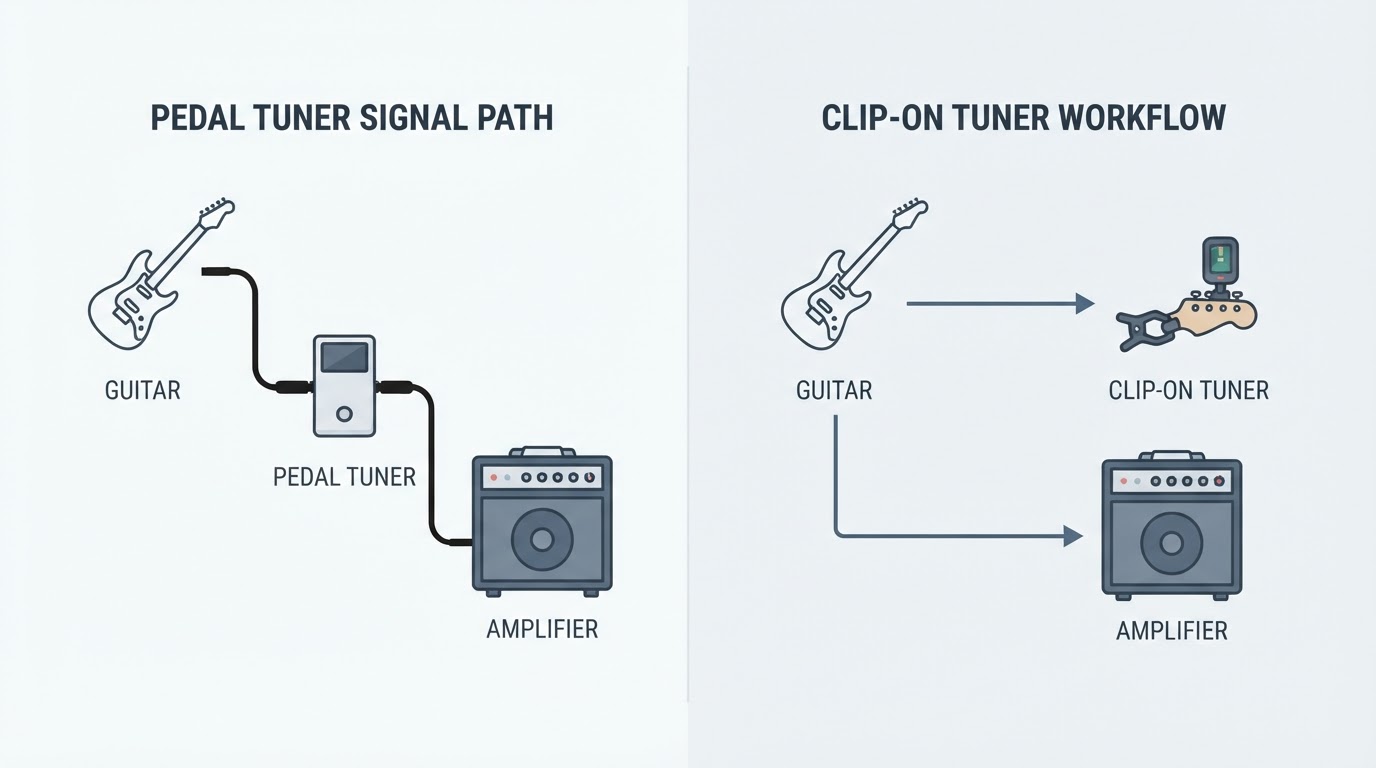
Guitar Tuner Clip-On vs Pedal: Choose for Your Actual Signal Path
Compare clip-on and pedal tuners by connection, portability, power, and stage mute workflow, with BOSS TU-02 and TU-3 examples and a practical decision check.
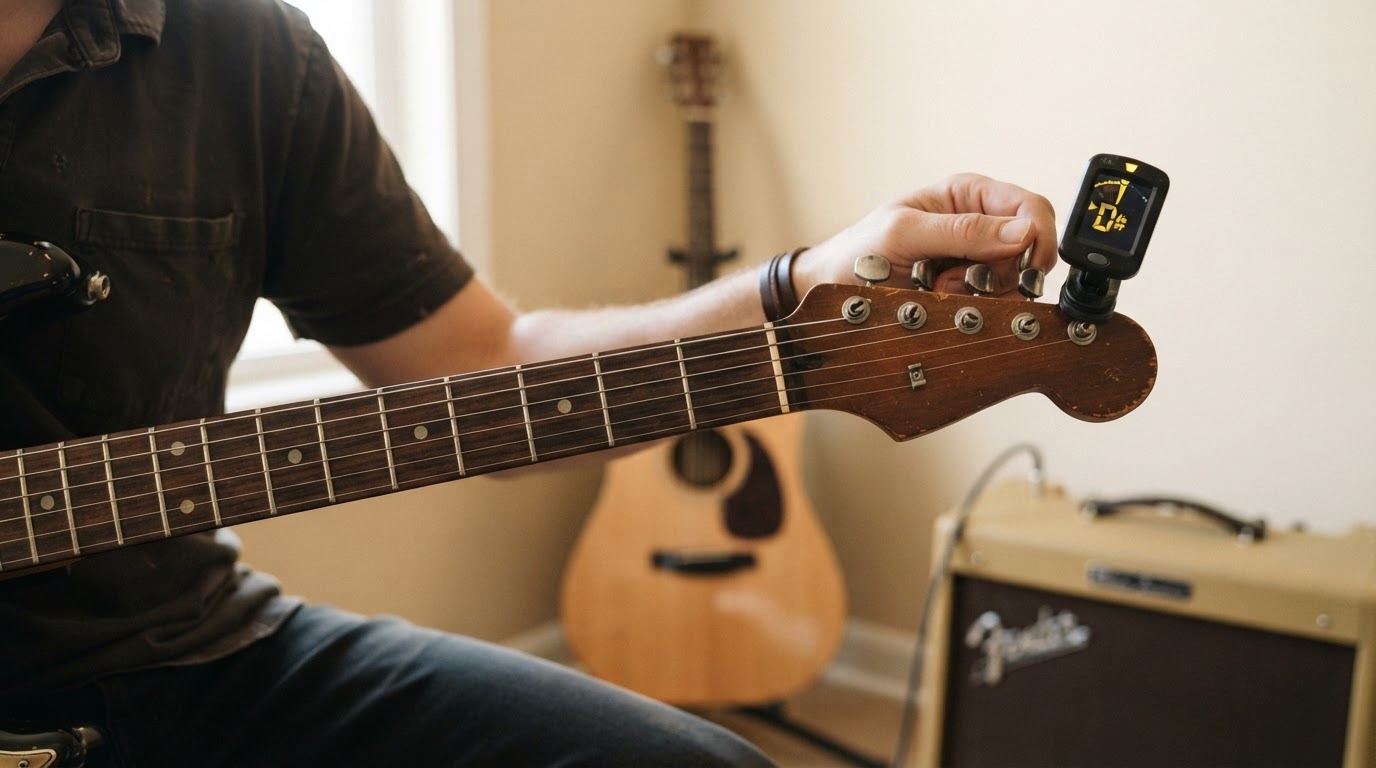
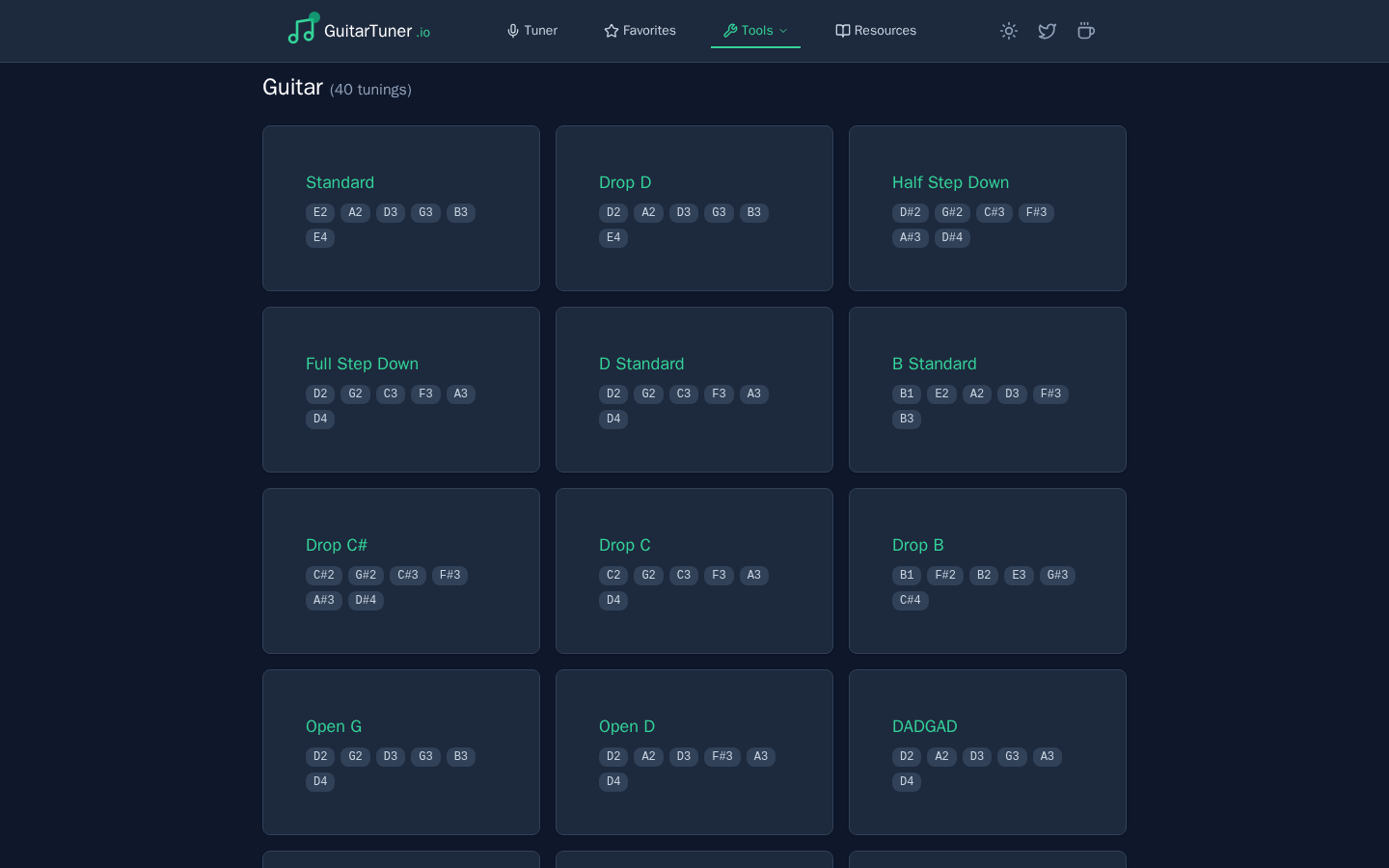
D Standard Guitar Tuning on 6 Strings: Notes and Setup Checks
D standard on a 6-string is D2 G2 C3 F3 A3 D4, a whole step below E standard. Tune each string, read a chromatic tuner, and tell D standard apart from Drop D and Open D.
Guitar Tuner True Bypass vs Buffered: Choose for Your Signal Chain
Compare true bypass and buffered tuner pedals for real pedalboards, with BOSS TU-3 and TU-3W examples and a repeatable listening check.

Guitar Humidity and Tuning Stability: Check the Room Before the Hardware
Measure relative humidity where the guitar is stored, attribute manufacturer ranges correctly, and compare humidity context with string seating and setup clues.

Guitar String Squeak: Reduce Sliding Noise Without Losing the Notes
Guitar string squeak is sliding finger friction on a wound string rather than fret buzz. Reduce pressure, release before you move, refret cleanly, and keep the slides the music needs.
Low G vs High G Ukulele: Choose the Octave Before You Tune
Both tunings put a G on string 4. Compare G4 and G3, the five extra notes below C4, chord voicings, tuner octave limits and safe low G string choice.
Polyphonic vs Chromatic Guitar Tuners: A Strum Check or One String at a Time?
Chromatic mode reads one note at a time across twelve semitones; polyphonic mode reads several strings from one strum. What each tells you and what to check.
Drop D on a Floating Tremolo: Why the Other Strings Move
On a floating tremolo, Drop D shifts string-to-spring balance. Recheck all six strings and the bridge, not just the low E.
Guitar Tuner Calibration: Set the A4 Reference, Not the String Frequency
Guitar tuner calibration sets the A4 reference, often 440 Hz, and leaves hardware accuracy alone. Check the range, clear flat and capo offsets, and verify one string.